
 blog
blog
Evidence-Based Grandparenting Resources: A 2026 Guide
Table of Contents
- Why Evidence-Based Grandparenting Resources Matter
- How to Set Boundaries With Adult Children
- Research-Backed Grandparenting Tips for Modern Families
- Grandparenting Conversation Scripts for Difficult Moments
- Books and Educational Resources for Grandparents
- Building Your Evidence-Based Grandparenting Plan
- Conclusion
- Frequently Asked Questions
Last Updated: September 18, 2026
Why Evidence-Based Grandparenting Resources Matter
The way you engage with your grandchildren shapes their development, their sense of security, and your relationship with them for decades to come. Yet many grandparents navigate this role without clear guidance on what actually works. That's where evidence-based grandparenting resources come in.
Evidence-based grandparenting resources combine child development science with practical, everyday strategies you can use immediately. They address the real challenges modern grandparents face: managing screen time, setting healthy boundaries with adult children, staying connected across distance, and understanding how children learn and grow at different stages.
How to Set Boundaries With Adult Children
Setting boundaries with your adult children is often the hardest part of being a grandparent. The difference between vague wishes and real boundaries is specificity and follow-through.

Identify Your Non-Negotiables
Start by writing down the specific areas where you need boundaries. Don't think in abstractions, think in real situations. Examples include:
- Babysitting frequency and notice: "I can babysit twice a month, and I need at least 48 hours' notice except for emergencies."
- Health and safety decisions: "I will not give medication without written instructions from you, and I need to know about any allergies or medical conditions before each visit."
- Screen time and media: "In my home, screen time is limited to one hour per day for children under 10, and no screens during meals."
- Discipline and consequences: "I will redirect behavior and use time-outs, but I won't use physical punishment. If your child is unsafe, I will call you immediately."
- Financial support: "I can contribute $X per month toward [specific expense], but I cannot cover unexpected costs beyond that."
- Overnight visits: "I'm comfortable with overnight visits once a month, but not during weeks when I have other commitments."
- Parenting input: "I'll share observations about your child's development if you ask, but I won't offer unsolicited advice about your parenting choices."
The specificity matters. "I want to be helpful" is not a boundary. "I can help with school pickup on Tuesdays and Thursdays, but not other days" is.
Communicate Clearly and Calmly
Communicate boundaries in a calm moment when your adult child is not stressed, tired, or defensive.
Use this structure:
- State what you've observed: "I've noticed that babysitting requests often come with very short notice, and it's hard for me to plan."
- Explain why it matters to you: "I want to be reliable for you, and I also need time to arrange my own schedule. When I have advance notice, I can say yes more often."
- State your boundary clearly: "Going forward, I need at least 48 hours' notice for babysitting requests."
- Explain the benefit: "This way, you'll know I can help, and I won't have to scramble or say no at the last minute."
- Invite their input: "How does that work for you? Are there situations where you'd need flexibility?"
Use "I" statements: "I work best when I have advance notice" invites cooperation; "You always ambush me" triggers defensiveness.
Hold the Boundary When It's Tested
Maintaining your boundary when tested is hardest. Inconsistent boundaries create more conflict than clear ones do.
When your adult child tests the boundary, and they will, respond calmly and consistently:
- If they ask for an exception: "I understand this is urgent. I can't do it on this timeline, but I can help on [alternative time]. What else can we figure out?"
- If they push back: "I know this is inconvenient. This boundary helps me be a better grandparent to your kids because I'm not stressed and resentful. I'm sticking with it."
- If they ignore the boundary: "Last time we talked about needing 48 hours' notice. This request came in with 4 hours' notice. I can't do it this time. Let's plan ahead for next time."
When you hold your boundary consistently, your adult child learns to plan accordingly.
Handle Disagreements About Parenting Approach
Disagreement over parenting approach is common. Stating your boundary requires care, you want to be heard without being controlling.
Use this framework:
- Ask before you advise: "I've noticed [specific observation]. I'm curious about your thinking on this. Can you help me understand your approach?"
- Listen fully: Don't interrupt or plan your response while they're talking. Understand their reasoning.
- Share your perspective if invited: "I see what you're going for. I do have some concerns about [specific impact]. Would you be open to exploring some options?"
- State your boundary in your own home: "In my home, I do things this way: [your approach]. When your kids are with me, I'll follow this. When they're with you, you're in charge."
- Respect their authority: "You're their parent. I trust your judgment, even when I'd do it differently."
This approach protects your relationship while maintaining your integrity. You're not trying to override their parenting; you're clarifying how things work in your space.
Research-Backed Grandparenting Tips for Modern Families
Modern grandparenting differs from previous generations. Research-backed strategies help you focus on what actually supports your grandchildren's development.
Screen-Free Engagement Strategies
Face-to-face interaction, hands-on play, and conversation build language skills, emotional intelligence, and focus, irreplaceable for child development.
Screen-free time means intentional engagement: games that require thinking build problem-solving skills; real conversations build confidence and connection; creative activities develop persistence.
Offer screen-free activities genuinely interesting to your grandchild. Ask what they love, then build from there: dinosaur enthusiasts might enjoy museums or paleontology books; builders might prefer Lego or woodworking.
Building Emotional Connection Across Distance
Distance doesn't have to mean disconnection, but it requires intention and consistency.
A weekly 15-minute fully present video call builds stronger connection than monthly long visits.
Grandparenting Conversation Scripts for Difficult Moments
Difficult conversations come up: disagreements about parenting, your grandchild struggling, needing to apologize or set boundaries.
Books and Educational Resources for Grandparents
Evidence-based grandparenting resources combine research with practical application, they show you how to use what you learn.
Foundational Books on Child Development and Grandparenting
Choose books by authors with credentials in child development, psychology, or family studies, published within the last 10 years.
For understanding child development across ages:
- Books on attachment theory and brain development help you respond with patience rather than frustration.
- Resources on emotional intelligence show you how to support your grandchildren's ability to recognize and manage emotions.
For grandparents raising grandchildren full-time:
- Seek resources on grandfamily dynamics, trauma-informed parenting, and the unique stressors of unexpected caregiving roles.
- Look for practical guides on navigating school systems, legal rights, and support services for kinship families.
For long-distance grandparenting:
- Books on attachment and connection across distance focus on consistency, intentionality, and using technology meaningfully.
- Look for guides addressing guilt about absence and maintaining connection through infrequent visits.
For navigating adult relationships:
- Resources on boundary-setting and family systems teach you to set limits without guilt.
- Look for works on conflict resolution and difficult conversations for frameworks to address disagreements before they damage relationships.
Evaluating Resources for Quality and Applicability
Author credentials: Check that the author has a background in child development, psychology, social work, or gerontology.
Online Courses and Structured Learning
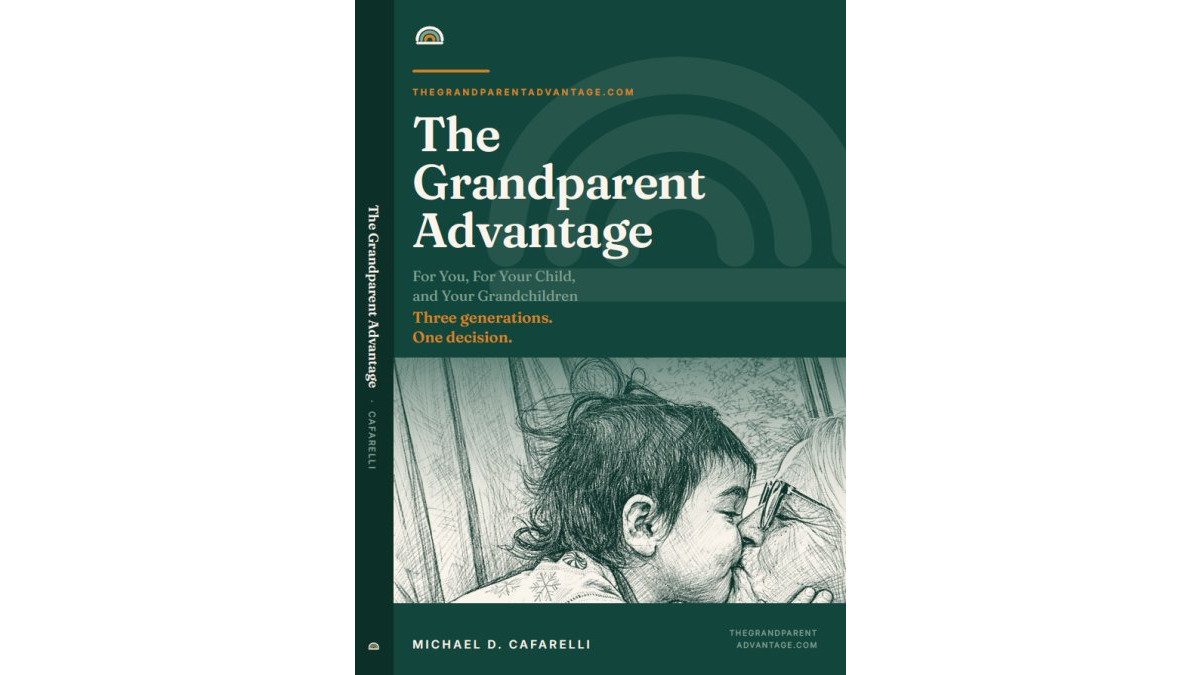
Structured learning programs offer guided instruction with video, worksheets, and sometimes community support. The Grandparent Advantage offers comprehensive courses with video modules and actionable playbooks.
What to look for:
- Programs designed specifically for grandparents, like those offered by The Grandparent Advantage.
- Clear learning objectives and downloadable resources, such as the actionable scripts and games provided by The Grandparent Advantage.
- Self-paced modules with practical tools, like the actionable scripts and engaging games found in The Grandparent Advantage's system.
Community Groups and Peer Learning
Workshops and training modules offered by community organizations provide concentrated learning on legal rights, financial planning, behavior management, and academic support.
Building Your Personal Library
Start with one or two books addressing your most pressing challenge. Read actively, highlight passages, write notes about application, and discuss with other grandparents. The goal is to change how you show up for your grandchildren.
Building Your Evidence-Based Grandparenting Plan
A plan transforms good intentions into consistent action. Start with your values: What do you want your grandchildren to know about you? What legacy do you want to leave? Write these down, they're your foundation.
Conclusion
Being an intentional grandparent today is different from 30 years ago. The world, families, and what works have all changed.
Administration for Community Living resources for grandparents raising grandchildren
Frequently Asked Questions
What makes evidence-based grandparenting resources different from general parenting advice?
Evidence-based grandparenting resources are grounded in child development research, attachment theory, and family systems science. They address the unique dynamics of the grandparent-grandchild relationship, including intergenerational differences in parenting approaches and the importance of respecting your adult child's authority. These resources provide practical, research-backed strategies rather than opinion-based guidance, helping you navigate modern parenting challenges like screen time, digital safety, and maintaining family bonds across distance.
How can grandparenting conversation scripts help with difficult family situations?
Conversation scripts provide word-for-word language you can use when addressing sensitive topics, like offering parenting suggestions without overstepping or discussing boundaries with your adult child. They remove the guesswork from high-stakes conversations and help you communicate your intentions clearly while respecting your child's role as the primary parent. Scripts also model healthy communication patterns and give you confidence to handle disagreements about parenting styles, discipline, or screen time without damaging relationships.
Can these resources work if I only see my grandchildren occasionally?
Yes. Evidence-based resources include strategies specifically designed for long-distance and occasional grandparenting. These focus on quality over frequency, using intentional communication, technology-assisted connection, and meaningful activities during visits to deepen your relationship. Research shows that consistency and emotional presence matter more than total hours spent together. Resources addressing intergenerational bonding and family mission help you maintain connection even with limited in-person time.
What if I'm skeptical that a structured system can really improve boundary issues with my adult children?
Boundary challenges often stem from unclear expectations and communication gaps, both areas where evidence-based frameworks make a measurable difference. Resources backed by family systems research help you understand why certain patterns repeat and give you specific language to change them. Many grandparents report that having a shared framework with their adult children actually reduces defensiveness, because the focus shifts from criticism to shared best practices for child development and family well-being.