 blog
Proven Techniques for Deliberate Grandparenting
Table of Contents
- What Deliberate Grandparenting Actually Means
- Ask Your Adult Children What They Need First
- Grandparent Boundaries With Adult Children
- Things Grandparents Should Not Do
- Activities to Do With Grandchildren
- What to Say to New Grandparents
- Long-Distance Grandparenting That Actually Works
- Digital Boundaries and Sharing Photos Online
- When You Disagree With Parenting Decisions
- Frequently Asked Questions
Last Updated: October 7, 2026
What Deliberate Grandparenting Actually Means
Deliberate grandparenting means showing up with intention. It's not about being perfect or doing everything. It's about knowing your role, respecting your adult children's choices, and building real connection with your grandchildren on purpose.
Most grandparents love their grandkids deeply. But love alone doesn't tell you what to do when your daughter says no screen time, or your son wants you to follow a specific bedtime routine. That's where deliberate grandparenting comes in. You think before you act. You ask before you assume. You support the parents' vision, not your own.
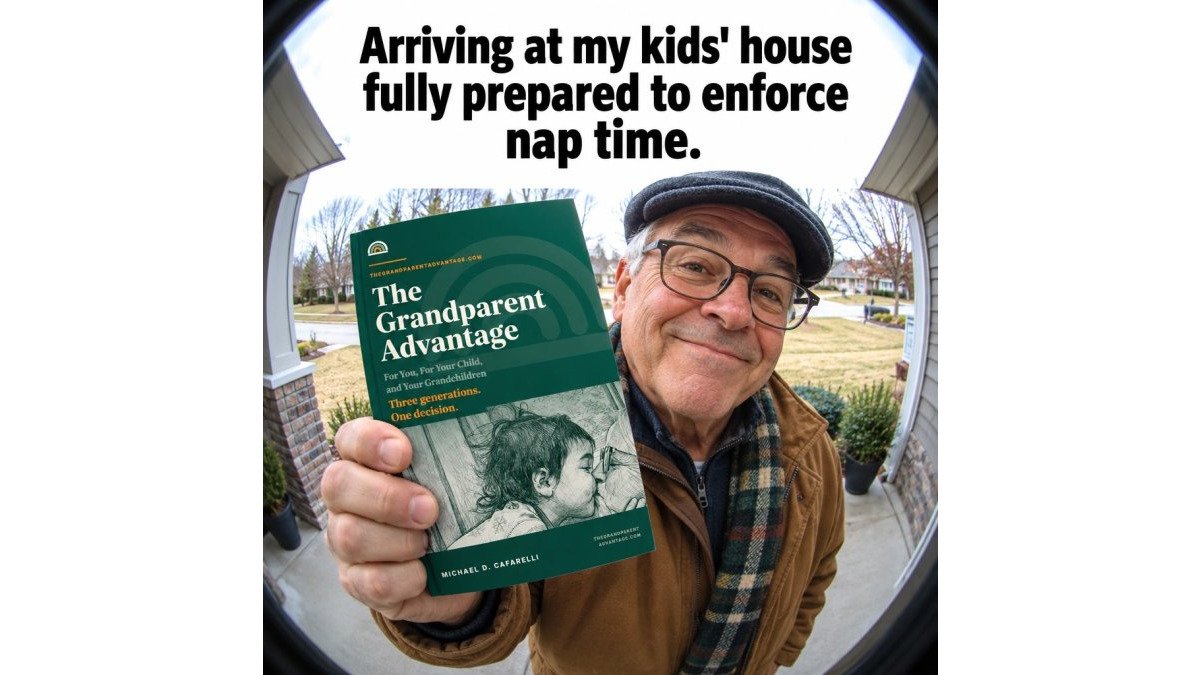
The Grandparent Advantage empowers grandparents with a research-backed system to navigate this balance. The ones who get it right share a common thread: they see their role clearly. They're not trying to be a second parent. They're not trying to be a buddy who ignores rules. They're showing up as a trusted adult who makes their adult child's life easier and their grandchildren feel loved.
This matters because the stakes are real. A grandparent who respects boundaries keeps the door open. A grandparent who doesn't can find themselves seeing their grandchildren less, or not at all. Deliberate grandparenting protects the relationship you want to keep.
Ask Your Adult Children What They Need First
Before you do anything, ask. Don't guess. Don't assume you know what would help.
This is the hardest step for many grandparents because it means giving up control. You might want to take the baby for a weekend. You might want to teach your grandchild a skill. You might want to show up with gifts. But your adult child might need something completely different.
Ask this way:
"I'd love to help. What would be most useful for you right now?"
Then listen. Don't interrupt. Don't offer alternatives. If they say they need help with laundry, that's what they need. If they say they want you to come on Saturday mornings and just be present, that's what they need.
Some parents need practical help:
- Meals brought to the house
- Laundry done
- Dishes washed
- Groceries picked up
- Childcare while they run errands
Some parents need emotional support:
- A listening ear without judgment
- Help with a specific worry
- Reassurance that they're doing okay
- Someone to talk to about the hard parts
Some parents need space:
- To figure things out on their own
- To make their own parenting decisions
- To feel like they're in charge of their home
- To not feel watched or second-guessed
Ask directly. Then do what they ask. Not what you think they should ask for. What they actually ask for.
Grandparent Boundaries With Adult Children
Boundaries protect relationships. They're not walls. They're guardrails.
Your adult children need to know what you will and won't do. You need to know what you can and can't handle. When both sides are clear, there's less resentment and more trust.
Here's what clear boundaries sound like:
"I love spending time with the kids. I can do Tuesday afternoons from 2 to 5. That works best for my schedule."
"I'm happy to help with meals. I'll bring dinner on Thursdays. Just let me know what your family likes."
"I won't give advice about parenting unless you ask me. If I see something I'm worried about, I'll ask if you want to talk about it."
"When the kids are at my house, we follow your rules. Tell me what matters most to you, and I'll make sure it happens."
"I need to leave by 6 PM on weeknights because of my own schedule. Weekends I'm more flexible."
Boundaries work both ways. You also get to say no:
"I can't take the kids overnight this weekend, but I can help on Sunday afternoon."
"I'm not comfortable with that approach, so I won't be able to help with that."
"I need a few days' notice so I can plan."
The key is saying these things calmly, clearly, and without resentment. You're not punishing anyone. You're being honest about what you can do.
Things Grandparents Should Not Do
Some things damage trust faster than anything else.
Don't override the parents' rules. If the parents say no sugar before bed, don't sneak candy. If they say no screen time, don't turn on the TV. Your home, their rules. This is non-negotiable.
Don't criticize parenting decisions to the kids. Never say "Your mom is too strict" or "Your dad's rule doesn't make sense." You undermine the parents and confuse the child.
Don't give unsolicited parenting advice. Even if you think you know a better way, keep it to yourself unless they ask. "Back in my day" is not helpful.
Don't make promises you can't keep. If you say you'll call every Sunday, call every Sunday. If you say you'll visit once a month, visit once a month. Kids notice when adults don't follow through.
Don't compare your grandchildren. Never say "Your brother is better at math" or "Your sister is quieter." Each child is their own person.
Don't use gifts to compete with the other grandparent. Expensive gifts create tension. Simple, thoughtful gifts mean more.
Don't discuss adult problems with the kids. Money stress, health issues, family conflict, keep it out of conversations with your grandchildren.
Don't overstay your welcome. If you're visiting, have a plan to leave. Don't assume you can stay longer just because things are going well.
Don't ignore the parents' communication about childcare. If they text you instructions, follow them exactly. If they say the baby needs to nap at 2 PM, respect that.
Don't take it personally when they say no. When your adult child declines your offer or sets a limit, it's not rejection. It's them managing their own life.
Activities to Do With Grandchildren
Time with your grandchildren doesn't require money or complicated plans. It requires presence.
The best activities are the ones where you're actually together, not distracted, not rushed, not thinking about what comes next.

Screen-free games that work:
- Board games (checkers, candy land, snakes and ladders)
- Card games (go fish, crazy eights, memory)
- Building with blocks or Lego
- Puzzles
- Coloring together
- Playing cards or dominoes
Hands-on activities:
- Cooking or baking something simple
- Gardening (planting seeds, watering, picking vegetables)
- Crafts (drawing, painting, making collages)
- Building a fort with blankets and pillows
- Playing with toy cars or action figures
- Playing outside (swings, sandbox, chalk, bubbles)
Talking activities:
- Reading books aloud
- Telling stories about your life
- Playing "I spy" or other guessing games
- Singing songs together
- Playing pretend
Physical activities:
- Walking to the park
- Playing catch or kickball
- Dancing
- Playing hide and seek
- Building something together
The secret is this: your grandchild wants you, not entertainment. They want to see your face. They want to hear your voice. They want to know you think they're interesting.
Put your phone away. Sit at their level. Ask them questions. Listen to their answers. That's what they'll remember.
What to Say to New Grandparents
If your friends or family members just became grandparents, here's what actually helps:
Say this:
- "You're going to be great at this."
- "What do you need right now?"
- "I'm so happy for you."
- "Tell me about the baby."
- "How are you doing with all of this?"
Don't say this:
- "You're so lucky." (It puts pressure on them to feel grateful all the time.)
- "Wait until they're teenagers." (It makes the present moment feel less important.)
- "You'll understand when you're a grandparent." (They might not become one, or they might already be one.)
- "Kids these days..." (It sounds judgmental.)
- "When I was raising kids..." (It's not about you.)
Offer specific help: Instead of "Let me know if you need anything," say:
- "I'm bringing dinner on Thursday. What does your family like?"
- "I can watch the kids on Saturday morning. What time works?"
- "I'll come help with laundry on Tuesday afternoon."
Respect their parenting style: Even if you did things differently, their way is their way. Support it.
"I love how you handle that. You're doing a great job."
This matters because new grandparents are often tired, uncertain, and touched by how much they love this new person. Your job is to make them feel seen and supported, not judged.
Long-Distance Grandparenting That Actually Works
Distance is hard. But it doesn't have to mean disconnection.
The key is consistency. Regular, predictable contact matters more than occasional long visits.
Weekly video calls: Schedule a specific time. Same day, same time each week. Even 10 minutes of face-to-face video is better than a long phone call where they can't see you. Your grandchild will start to expect it and look forward to it.
"Hi, it's Grandpa. I'm so happy to see your face."
Send things in the mail: A postcard. A small toy. A book. A letter with a drawing. The anticipation of getting mail is exciting for kids. Write your grandchild's name on the envelope. Make it feel special.
Record videos: Send short videos of yourself reading a story, singing a song, or just saying hello. They can watch it anytime. It's like you're in the room with them.
Be present during calls: Don't multitask. Don't check your phone. Look at the camera. Talk to them like they matter, because they do.
Visit when you can: If you can visit in person, do it. But don't make it a production. Shorter, regular visits are better than long ones you can't afford or manage. A weekend twice a year beats one long trip that stresses everyone out.
Ask about their life: "What did you do today?" "What's your favorite thing right now?" "Tell me about school." Kids love talking about themselves.
Keep a journal: Write down the things they tell you. Their favorite color. A funny thing they said. A milestone. When you visit, you'll remember details that matter to them.
Long-distance grandparenting is different, not less. It just takes more intention.
Digital Boundaries and Sharing Photos Online
Your adult children get to decide what happens to photos of their children. Full stop.
Many grandparents want to share photos on social media. They're proud. They want to show off. But those photos are not yours to share.
Ask first: "Can I share this photo of the kids on Facebook?" or "I'd love to post a picture from our visit. Is that okay?"
Respect the answer: If they say no, don't post it. Don't argue. Don't post it anyway and say "Oops, I forgot." Don't share it with a private group. No means no.
Some parents say:
- "No photos on social media at all"
- "You can share with family, but not publicly"
- "Ask me about each photo before you post"
- "No photos of their face"
- "No photos that show where we live"
Why this matters: It's not about you. It's about safety, privacy, and control. Parents have real reasons for their photo rules. Respect them.
If you want to share:
- Text the photo to family members directly
- Use a private family group chat
- Send photos in emails
- Keep a private photo album online that only invited people can see
Your relationship with your grandchildren is more important than showing off on social media. When you respect their parents' wishes, you protect that relationship.
When You Disagree With Parenting Decisions
You're going to disagree. It's inevitable.
Your adult child might parent differently than you did. They might have different rules, different values, different approaches. You might think they're too strict or too lenient. You might worry they're making mistakes.
Here's what to do:
Step 1: Stay quiet. Unless the child is in danger, keep your opinion to yourself. Not forever. Just for now.
Step 2: Ask yourself why you disagree. Is it actually harmful? Or is it just different from how you did it?
Step 3: If you genuinely worry, ask permission to talk about it. "I've been thinking about something, and I'm not sure if you want my input. Can I share what I'm thinking?"
If they say no, stop there.
Step 4: Be specific, not critical. Don't say: "You're too strict." Say: "I've noticed the kids seem anxious about bedtime. Have you thought about trying X?"
Step 5: Offer one idea, then drop it. Don't push. Don't bring it up again. Don't mention it to other family members.
Step 6: Accept that it's their call. Even if they don't take your advice, even if you think they're wrong, it's their decision. Your job is to support the family, not to fix the parents.
This is where deliberate grandparenting gets hard. You have to let go of control. You have to trust that your adult child is doing their best. You have to stay in the relationship even when you disagree.
Because the alternative, pushing, criticizing, going around them, costs you access to your grandchildren. It's not worth it.
If there's a serious safety concern, that's different. Talk to the parent directly. If you genuinely believe a child is being harmed, contact a professional. But everyday parenting disagreements? Those are theirs to make.
Deliberate grandparenting is a choice you make every day. It's not about being perfect. It's about showing up with intention, respecting your adult children's leadership, and building real connection with your grandchildren.
The parents set the rules. Your job is to support them and love the kids. When you do that, everyone wins.
For concrete scripts, activities, and a step-by-step plan, download The Grandparent Plan free, or explore The Grandparent Playbook for ten word-for-word boundary scripts and 40 screen-free games you can use today.
Learn more at thegrandparentadvantage.com.
Frequently Asked Questions
What does deliberate grandparenting mean?
Deliberate grandparenting means showing up with intention. It's being clear about your role, respecting your adult children's parenting choices, and building connection with your grandchildren in ways that support, not undermine, the family's values and rules. You're intentional about what you offer, when you step in, and when you step back. It's the opposite of doing whatever feels right in the moment without thinking about how it affects the parents.
How can grandparents set boundaries with adult children without creating conflict?
Start by asking what your adult children actually need from you, then respect their answer. Use clear, calm language: 'I want to support you both. What works best for your family?' When you disagree, say it once and let it go. Avoid criticism of their parenting choices. If they set a rule you don't like, bedtime, screen time, food, follow it in your home. Boundaries protect the relationship by making expectations clear on both sides.
What are some screen-free activities I can do with my grandchildren?
Board games, card games, building with blocks, cooking or baking together, drawing, reading aloud, playing outside, gardening, simple puzzles, and card tricks are all proven winners. The key is choosing activities that match their age and your energy level. You don't need fancy supplies. A deck of cards and a kitchen table can keep kids engaged for hours. Grandchildren remember time with you, not expensive toys.
How do I stay close to grandchildren who live far away?
Regular video calls work better than occasional long visits. Set a schedule, weekly calls at the same time, so kids know when to expect you. Keep calls short and activity-based: read a book together, play a guessing game, or show them something you're making. Send postcards or small surprises in the mail. When you do visit, focus on quality time rather than trying to cram everything in. Consistency matters more than duration.